

Onboarding best practices: The pillars of success
Optimise your team’s integration by centering your onboarding strategy on these four essential pillars:
1. Pre-boarding: Engage new hires before they start
The time between the signing of a contract and the first day is a good window for engagement. Use this period to handle administrative work, like IT setup, so the employee arrives on day one feeling prepared rather than overwhelmed.
2. Culture first: Beyond the employee handbook
Instead of simply handing over a handbook, show new hires how the values of your organisation translate into daily actions. Sharing success stories or involving them in team rituals early on helps them align with the company´s vision from the start.
3. The buddy system: Social integration matters
Social belonging is a key driver of retention. Assigning a buddy provides a low-pressure way for new employees to ask questions and navigate the office culture from the start. This unofficial support builds confidence and helps them settle into the team more naturally.
4. Structured training roadmaps
Vague expectations often lead to early burnout and inefficient work. Provide a clear 30-60-90 day plan that outlines specific learning objectives and performance milestones. A transparent roadmap ensures new hires know exactly what is expected and how they can contribute to the company goals as well as their own professional development.
Read more about the onboarding process here.

How you welcome new starters matters. The energy you put into onboarding sets the tone for their future.
Your comprehensive onboarding checklist
A structured checklist ensures no important steps are missed and provides a consistent experience for every new hire. Using a professional training management system can help you automate these phases and organise your onboarding programme efficiently:
Phase 1: The logistics
- Send a welcome email with the first day’s agenda.
- Finalise IT setup, equipment, and software access.
- Share the employee handbook and any necessary digital paperwork.
Phase 2: The first day welcome & orientation
- Set up a welcome breakfast or lunch with the team to encourage social connection.
- Give a tour of the workspace.
- Provide an overview of company goals and departmental structure.
Phase 3: The first month – Deep dive training
- Schedule regular 1:1 check-ins where the new employee can address questions or concerns.
- Deliver role-specific training modules and system walkthroughs early on.
- Assign the first small project to build early confidence.
Phase 4: The 90-day review and beyond
- Review progress against the initial 30-60-90 day roadmap.
- Gather feedback on the onboarding process to identify improvements, and areas that need more attention.
- Transition from guided onboarding to long-term professional development.

Give new hires a great start and build lasting connections over a welcome breakfast.
How to effectively deliver employee onboarding training
To deliver onboarding training effectively, break complex information into manageable segments and set clear objectives. This way you ensure new hires obtain knowledge without becoming overwhelmed.
Blended learning: Combine digital and face-to-face
A mix of training delivery methods keeps the process engaging and flexible. Use digital modules for learning, allowing new hires to learn at their own pace. Complement this with face-to-face sessions or workshops to handle more complex tasks and cultural nuances, ensuring a more well-rounded integration.
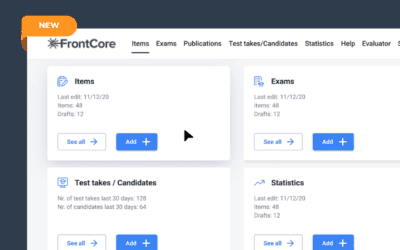
With FrontCore LMS, you can create and share digital learning modules that new hires can complete at their own pace, before or between face-to-face sessions.
Avoid information overload
Drowning a new starter in data on day one is counterproductive. Break your onboarding programme into bite-sized, manageable segments to improve knowledge retention. By spacing out the delivery of complex information, you allow the employee to master one skill before moving on to the next, reducing early burnout.
Set clear KPIs and learning objectives
Training is only effective if its impact is measurable. Define specific key performance indicators (KPIs) and learning objectives for every stage of the onboarding process. When both the manager and the hire understand what success looks like, it creates a transparent environment for feedback and professional growth.
Maximise your onboarding impact with an LMS
Following this guide and implementing these best practices is a strong first step. But when onboarding relies on repeated explanations, scattered resources and manual follow up, it can quickly become hard to keep consistent.
With a Learning Management System, you can make the online part of onboarding easier to structure, share and track. Create digital learning modules for the key knowledge every new hire needs, and let them complete the content at their own pace before or between face-to-face sessions.
This gives every employee the same foundation from day one. It also helps your managers spend less time repeating basic information and more time on what matters most: building relationships, answering questions and helping new talent become part of the culture.
Want to make your onboarding more structured and scalable? Explore FrontCore LMS and see how digital learning can support your onboarding process.
Frequently asked questions
What is onboarding?
Onboarding is the structured introduction of a new hire to the workplace, focusing on cultural alignment, core responsibilities, and role-specific training. A successful process ensures the employee becomes a contributing team member who fully understands what is required of them and feels confident in their role.
How to write an onboarding email?
To write an effective onboarding email, start with a warm welcome and clearly state the start date, time, and location. Provide a brief agenda for the first day to manage expectations and list any documents or equipment they need to prepare in advance. Finally, include a direct point of contact so the new hire knows exactly who to turn to for support on the first day.
What makes a good onboarding experience?
A good onboarding experience focuses on immediate belonging and clear direction through a balance of social support and structured training. It succeeds by removing administrative friction early on, allowing the new hire to focus on cultural immersion and measurable goals. Ultimately, the process should make the employee feel valued, equipped, and confident in their path toward long-term success.
Did you like this article? Don't forget to share it:




0 Comments